November 18, 2026
How Liposuction Farmington Hills Can Help Refine Stubborn Body Areas
By @raymondlxvg458
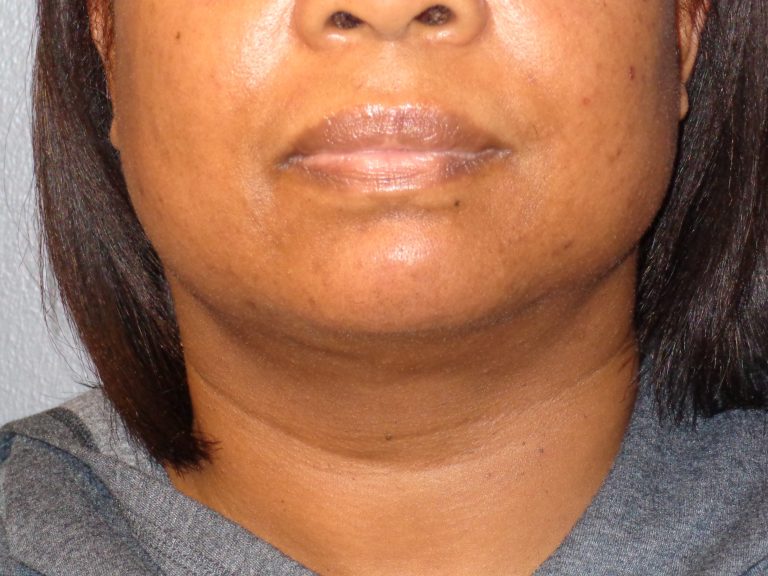
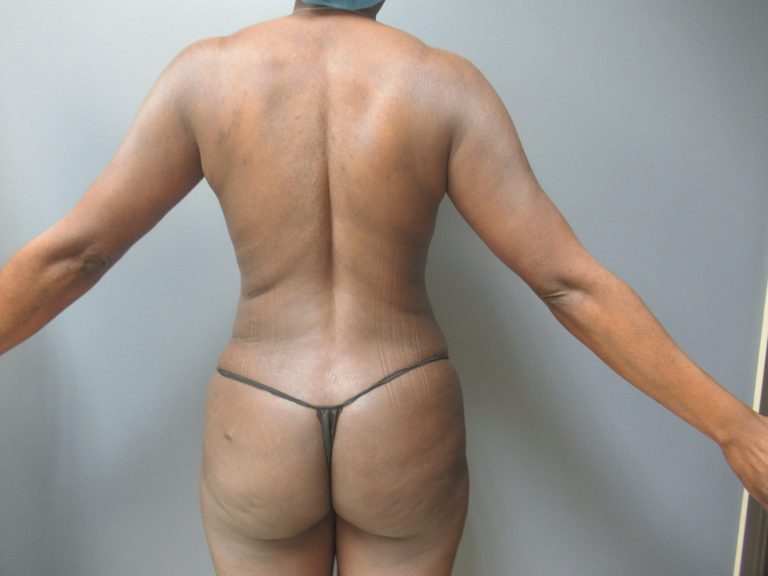
There is a particular kind of frustration that almost everyone understands once they have spent enough time trying to improve their shape. You can eat well, train consistently, lose weight, and still find that certain areas refuse to change in the way you expected. The lower abdomen may stay full. The outer thighs may keep their contour. The flanks may soften only slightly, even when the scale moves and clothing fits better elsewhere.
That is the space where liposuction tends to enter the conversation. Not as a substitute for healthy habits, and not as a cure for weight issues, but as a body contouring procedure designed to refine specific pockets of fat that seem resistant to diet and exercise. For many patients considering Liposuction Farmington Hills, the real goal is not dramatic reinvention. It is proportion, balance, and relief from a stubborn problem that has lingered for years.
When people approach this procedure with realistic expectations, the result can be deeply satisfying. Clothing often fits more predictably. Certain angles in the mirror stop drawing unwanted attention. The body looks more in line with the effort a person has already been putting in. That subtle but meaningful alignment is often what matters most.
Why stubborn fat behaves differently
A lot of patients assume that if a body area is not responding, they must be doing something wrong. Usually, that is not the case. Fat distribution is shaped by genetics, hormones, age, and sex-specific patterns. Two people can follow nearly identical routines and carry fat very differently.
One common example is the lower abdomen. A patient may have good overall muscle tone and a fairly stable weight, yet still notice a rounded fullness beneath the belly button. Another person may struggle with fullness at the bra line or along the flanks, even after losing twenty or thirty pounds. Men frequently ask about the waist and chest-adjacent areas, while women often focus on the abdomen, thighs, hips, and upper arms. None of this is unusual.
Liposuction is useful because it addresses localized fat directly. It does not ask the whole body to change just to improve one area. Instead, it targets a defined pocket that has shown itself to be resistant over time. That is why the procedure is better understood as sculpting than general weight reduction.
What liposuction actually does, and what it does not
A clear explanation matters here, because misunderstanding leads to Liposuction Farmington HIlls disappointment. Liposuction removes fat cells from selected areas to improve contour. It is most effective for people whose weight is relatively stable and who want better shape, not simply a lower number on the scale.
This distinction comes up constantly in consultations. A patient may say, “I want to lose forty pounds with liposuction,” and that usually signals the need for a different conversation. The better candidates are often within a manageable range of their goal weight and are bothered by isolated bulges rather than broad weight concerns.
It is also important to understand that liposuction is not a skin tightening procedure. If someone has significant skin laxity, especially after major weight loss or pregnancy, removing fat alone may not create the smooth result they are picturing. In those cases, the surgeon may discuss whether another procedure, such as abdominoplasty or arm contouring, would better address the issue. Good outcomes depend on matching the right tool to the right problem.
The body areas patients most often want to refine
In a practice setting, the most common requests are surprisingly consistent. People tend to focus on the areas that affect how they dress and how their silhouette appears from the front and side.
The abdomen is at the top of the list, especially the lower abdominal area that can create a persistent pooch even in otherwise fit individuals. The flanks are another frequent concern because they influence the waistline so strongly. A small reduction there can make the midsection look noticeably more defined without any extreme change.
Outer thighs can be another source of frustration, particularly for women who feel their lower body remains disproportionately full despite exercise. Inner thighs are also common, both for contour and for comfort, since excess fullness there can contribute to chafing and make certain clothing less comfortable.
Arms, back rolls, under-chin fullness, and the area beneath the buttocks also come up regularly. Men often ask about the abdomen, love handles, and chest-adjacent areas. Each region has its own technical considerations, but the larger principle is the same. The procedure works best when it improves proportion, not when it tries to transform the entire body in one step.
How Liposuction Farmington Hills fits into a realistic treatment plan
When someone searches for Liposuction Farmington Hills, they are usually not just looking for a procedure. They are looking for local expertise, practical guidance, and a plan that respects both their goals and their anatomy. That matters because body contouring is not one-size-fits-all.
A thoughtful treatment plan starts with examining the quality of the skin, the thickness of the fat layer, and the patient’s overall health and lifestyle. A person with firm skin and moderate localized fullness may do very well with liposuction alone. Someone with looser skin, stretch marks, or muscle separation in the abdomen may need a different approach to achieve a polished result.
This is where experience shows. A conservative, well-judged contour often looks better than aggressive over-treatment. Removing too much fat can create irregularity, hollows, or an unnatural transition from one area to another. The best results usually come from measured sculpting that respects the body’s natural lines.
In practice, that often means treating neighboring areas together when it makes aesthetic sense. For instance, abdomen-only liposuction may improve fullness, but combining the abdomen with the flanks can produce a cleaner waistline and a more balanced shape. Similarly, Liposuction Farmington HIlls addressing both inner and outer thighs may create better harmony than focusing on one side alone. These are decisions that benefit from a trained eye, not just a patient’s initial wish list.
Who tends to be a good candidate
The strongest candidates usually share a few characteristics. They are in reasonably good health, close to a stable weight, and clear about what bothers them. They are not expecting perfection, and they understand that body contouring is refinement, not identity change.
A useful way to think about candidacy is this:
- You have specific areas of fullness that have remained despite consistent diet and exercise.
- Your weight has been relatively stable for several months.
- Your skin still has enough elasticity to retract well after fat removal.
- You do not smoke, or you are willing to stop as directed before and after surgery.
- You want improved shape and proportion, not a total substitute for weight loss.
Patients who do best emotionally are often those who have already put in significant effort. They have built habits. They simply want one or two problem zones to catch up with the rest of their progress. That mindset tends to produce healthier expectations and greater satisfaction.
The consultation is where the real decision gets made
A consultation should feel less like a sales pitch and more like a problem-solving session. This is where concerns get translated into anatomy and options. A patient may arrive saying, “I hate my stomach,” but the surgeon may identify that the true issue includes flank fullness, mild skin laxity, and perhaps some lower abdominal muscle separation from pregnancy. Those details matter.
A productive consultation usually covers your medical history, any weight fluctuations, pregnancies, previous surgeries, and your current exercise routine. It should also include a frank conversation about medications, nicotine use, and your ability to recover properly. Even small details can shape the plan. Someone who needs to return quickly to a physically demanding job may need different timing than someone with a desk-based schedule.
This is also when photographs, measurements, and markings may be discussed. Patients are often surprised by how much contour depends on viewing the body from multiple angles. What seems like an isolated front-facing bulge can actually be connected to side-waist fullness or back contour. A seasoned surgeon looks at the whole frame.
What recovery typically feels like
Recovery is one of the most common concerns, and understandably so. Most patients do not fear the procedure itself as much as they worry about how they will function afterward. The good news is that recovery is usually manageable, but it still requires preparation and patience.
In the first several days, soreness, swelling, bruising, and a feeling of tightness are common. Many people describe it as feeling like they did an intense workout focused on the treated areas, only more constant. Compression garments are often part of the process and help with swelling control and support. Drainage from small incision sites can occur early on and is generally expected.
Most people are up and walking soon after surgery, which is helpful for circulation and overall recovery. That said, normal does not mean fully recovered. Swelling can linger for weeks, and final contour continues to evolve over months. This part catches some patients off guard. They expect an immediate reveal, but body contouring is usually a gradual settling process.
A practical point that comes up often is wardrobe. During recovery, looser clothing tends to be more comfortable, and fitted garments may not give a true sense of the result for a while. Patients who understand that swelling is part of the journey tend to feel less anxious during the early phase.
Results are shaped by more than the procedure alone
Liposuction can remove stubborn fat, but long-term satisfaction still depends on how a person lives afterward. The treated fat cells are gone, yet the body can still gain weight in remaining fat cells if lifestyle habits change significantly. That does not mean the result is fragile. It means maintenance matters.
The patients with the most stable outcomes usually return to their routines gradually and stay engaged with their health. They keep their weight within a reasonable range. They do not need perfection. Even a fluctuation of five to ten pounds may not undo a result, but repeated larger swings can affect contour over time.
Hydration, activity, nutrition, and patience all matter in the healing process as well. If someone is already living in a fairly balanced way before surgery, they often find the transition easier. The procedure then acts as a finishing step rather than a starting point.
Trade-offs that deserve honest attention
Every cosmetic procedure comes with trade-offs, and liposuction is no exception. It can be extremely effective, but it is still surgery. There are incisions, bruising, swelling, downtime, and the normal risks that come with any operation. It also requires a recovery period that people sometimes underestimate.
Another trade-off is that liposuction can improve contour without necessarily changing how a person feels about every aspect of their body. This sounds obvious, but it matters. A patient may be thrilled with a slimmer waist and still notice skin texture issues, cellulite, or asymmetry that liposuction was never meant to fix. That is why precise goal-setting matters before surgery.
There is also a judgment call around how much correction is ideal. Some patients want every trace of softness removed. In reality, a natural contour generally includes gentle transitions and a degree of softness. Overly aggressive treatment can make the body look sculpted in a way that feels artificial, particularly as the person ages or if weight fluctuates. Restraint is often part of good cosmetic surgery.
A local perspective matters more than many people realize
Choosing a provider close to home is not only about convenience. With Liposuction Farmington Hills, the local element can be genuinely useful during consultation, follow-up, and recovery. Body contouring is a process, not a one-day event. Post-operative visits matter. Questions can come up. Swelling patterns, garment fit, and recovery milestones often benefit from in-person assessment.
Local patients also tend to appreciate having realistic conversations rooted in their lifestyle. For example, someone commuting, caring for children, or managing a physically active job in the Farmington Hills area may need a tailored recovery plan that accounts for their day-to-day responsibilities. Cosmetic surgery fits best when it is planned around real life rather than fantasy scheduling.
The strongest practices usually set expectations clearly. They help patients understand what can be achieved, what may require additional treatment, and how long healing is likely to take. That kind of guidance is often what separates a smooth experience from a stressful one.
Questions worth asking before moving forward
Patients do well when they come prepared, not only with hopes but with specific questions. The right discussion can reveal whether the plan truly matches the goal.
- Which areas should be treated together for the most balanced result?
- How much improvement is realistic given my skin quality?
- What will recovery likely look like based on the areas being treated?
- If skin laxity is part of the issue, is liposuction alone enough?
- When should I expect to see my near-final and final results?
Those questions open the door to better planning. They also encourage a more sophisticated conversation than simply asking how much fat can be removed. Cosmetic outcomes are judged by shape, symmetry, and proportion, not by a single number.
When liposuction is especially satisfying
Some of the most satisfied patients are not the ones seeking the biggest transformation. They are the ones who have one clear, stubborn concern and a realistic sense of what improvement will mean in daily life. The woman who has always carried fullness at the outer thighs despite being active. The man whose flanks make every fitted shirt feel wrong. The patient who has returned to a healthy baseline after pregnancy but still sees lower abdominal fullness that never quite resolved.
For these individuals, the effect can be quietly significant. They stop adjusting clothing throughout the day. They feel more at ease in tailored pieces. Their body looks more consistent from one area to the next. Often, friends cannot identify exactly what changed, only that the person seems more comfortable in their own shape.
That is a sign of successful contouring. It looks like the patient, just more refined.
The value of patience and precision
Cosmetic surgery often gets framed in dramatic language, but the best liposuction results are usually built on precision, not drama. Small contour changes in the right place can shift the whole silhouette. A modest reduction at the waist can make the torso look longer. Better balance through the thighs can improve how dresses, trousers, and activewear fall on the body. Refining the under-chin area can sharpen profile and jawline more than patients expect.
These changes do not happen all at once. Swelling obscures detail. Tissues settle gradually. Early recovery can feel emotionally uneven because the body may look puffier before it looks better. Patients who know this from the start tend to navigate the process more comfortably.
When approached with care, Liposuction Farmington Hills can be a highly effective way to address those persistent areas that have resisted every reasonable effort. Not because it replaces healthy living, but because it can finish what healthy living often starts. For the right patient, that final step is not superficial. It is practical, confidence-building, and rooted in a realistic goal: a body shape that feels more proportional, more polished, and more like home.
Aesthetic Plastic Surgery & Laser Center, Michelle Hardaway M.D.
27920 Orchard Lake Rd
Farmington Hills, MI 48334
(248) 221-1957
FAQ About Liposuction Farmington Hills
What disqualifies you from getting liposuction in Farmington Hills?
A surgeon may recommend postponing or avoiding liposuction if a health condition, medication, or nicotine use raises the risk of surgery or poor healing. A consultation is needed to assess your medical history and whether the procedure fits your goals.
Can liposuction remove 20 pounds?
Liposuction is a body contouring procedure for localized fat. It is not a weight loss treatment, and a specific number of pounds is not a safe or useful target. The surgeon determines how much can be removed safely for each patient.
What are the risks of liposuction?
Risks include infection, changes in sensation, uneven contours, and complications from anesthesia or blood clots. A plastic surgeon can explain which risks apply to you and what to expect during recovery.
❧