November 18, 2026
Liposuction Farmington Hills: What Recovery Feels Like Week by Week
By @raymondlxvg458
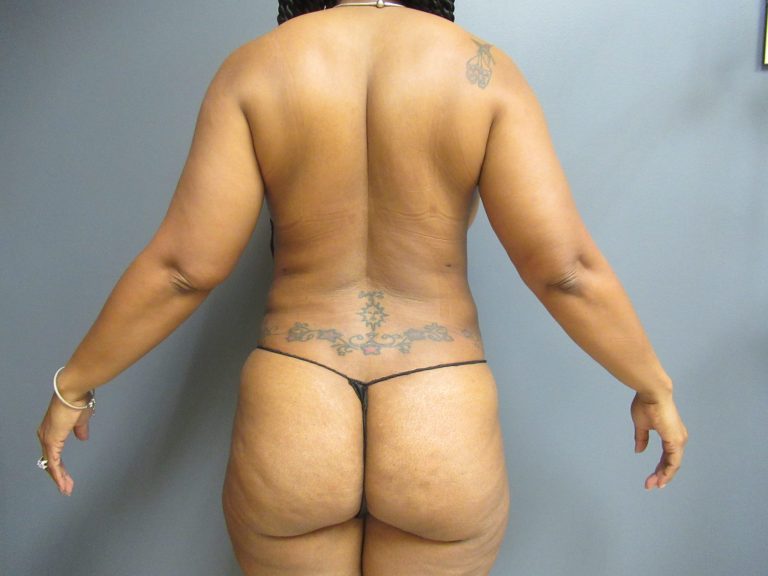
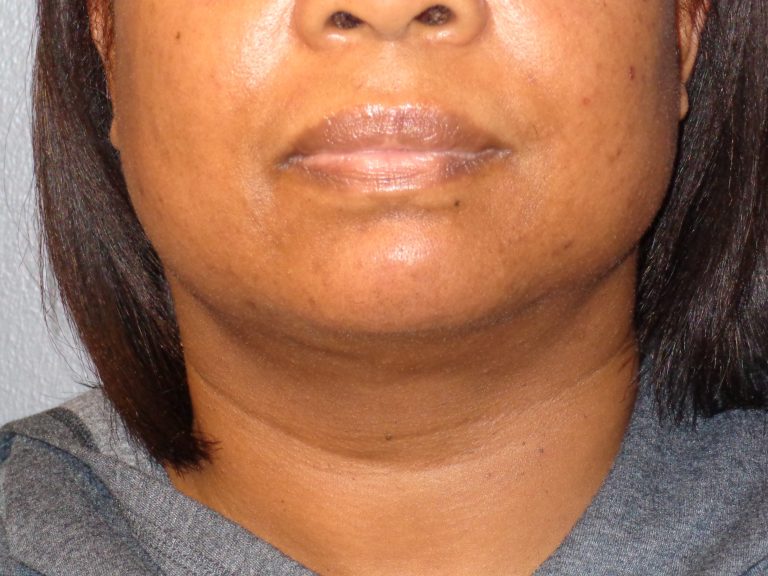
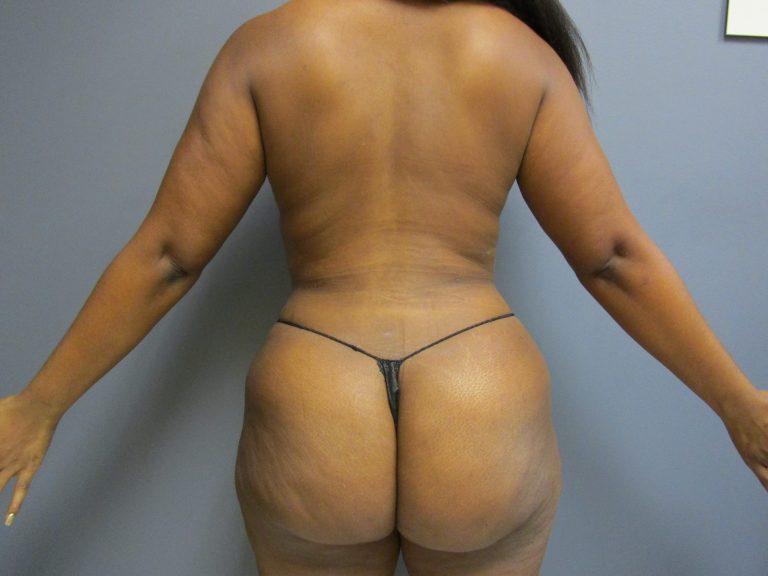
People often spend a lot of time thinking about the result of liposuction and very little time thinking about the recovery. That is understandable. The after photos get the attention, the idea of slimmer contours feels exciting, and it is easy to assume that recovery is a short, generic phase that simply has to be endured. In real life, recovery has texture. It changes from day to day, then week to week. It is physical, but it is also emotional. Some days feel encouraging. Others feel slower than expected.
For anyone considering Liposuction Farmington Hills, the most useful expectation is not “When will I look perfect?” It is “What will my body actually feel like as it heals?” That question matters more, because recovery is Liposuction Farmington HIlls Aesthetic Plastic Surgery & Laser Center where confidence is either reinforced by good preparation or shaken by unrealistic assumptions.
Liposuction is still surgery, even when incisions are small and patients go home the same day. Tissue has been disrupted. Swelling is part of the process, not a sign that something has gone wrong. Compression garments help, but they can feel tight and awkward at first. Bruising can be dramatic. Numbness can linger. Energy may dip longer than some people expect. None of that means the procedure was a mistake. It means healing takes time.
What follows is a practical, week-by-week picture of what many patients experience. Every case is different. The area treated matters, the volume removed matters, and the patient’s baseline health matters. Someone having a small amount of contouring in one area will not recover exactly like someone having multiple areas treated in one session. Still, there are common patterns, and knowing them in advance makes the process much easier to navigate.
The first 48 hours, sore, swollen, and more tired than expected
The first surprise for many patients is that liposuction recovery usually feels less like sharp surgical pain and more like intense soreness. People often describe it as the feeling after a brutal workout multiplied across a much larger area. If the abdomen, flanks, thighs, or arms were treated, those regions may feel tender, stiff, and heavy. Getting out of bed, standing up from a chair, or reaching for something can make you suddenly aware of muscles and tissues you normally never think about.
There is also drainage to expect in the very early phase, especially if tumescent fluid was used in significant volume. This can look messy, and that catches some patients off guard. Pads, towels, and loose clothing become helpful immediately. The drainage usually decreases fairly quickly, but on day one it can make people worry that something is wrong when it is actually routine.
Swelling starts early. Bruising may start early too, although in some patients it does not fully show itself until a little later. The compression garment can feel reassuring to one person and restrictive to another. A common comment is that the garment makes movement feel more secure, but resting in it can be annoying, especially when trying to sleep.
Emotionally, these first two days can be odd. There is often relief that the surgery is over, followed by a dip in mood once the patient sees swelling and bruising instead of a polished result. That reaction is normal. Very few people look in the mirror at 24 hours and think, “Yes, this is exactly what I imagined.”
Walking, even in short slow intervals around the house, is usually encouraged early. It helps circulation and reduces stiffness. At the same time, “walking” in this phase means exactly that, not doing chores, not power-cleaning the kitchen, and not proving you are fine.
Days 3 through 7, the body feels bruised, but the fog begins to lift
By the middle of the first week, many patients notice a small but meaningful shift. They are still swollen and sore, but they feel less foggy. The anesthesia haze fades. The routine becomes clearer. Medication needs may lessen. Sleep may still be awkward, especially if positioning is limited, but the sense of getting through the hardest part begins to show up.
This is often the phase when bruising looks its worst. That can be unsettling. Yellow, blue, purple, and deep red discoloration can spread beyond the exact treatment area. Gravity can pull bruising downward, so the pattern may look strange if you are not expecting it. A patient treated on the abdomen or flanks might later notice bruising drift lower than expected. It does not necessarily mean a new injury occurred.
Swelling is still very present, and this is where many misconceptions begin. Patients often expect the treated area to look flatter immediately. Instead, the body frequently looks puffy, uneven, or firmer than expected. Some areas may appear more swollen than others. That can create the false impression of asymmetry. During the first week, unevenness is often a healing issue, not a final result issue.
Simple daily tasks are easier than they were on day one, but still not effortless. Putting on socks, twisting at the waist, carrying groceries, climbing stairs, and driving for long stretches can all feel more demanding than usual. If the thighs were treated, getting in and out of a car can be surprisingly uncomfortable. If the arms were treated, pulling shirts overhead may become the day’s least favorite activity.
One practical point that patients appreciate hearing in advance is this: your energy may not match your pain level. You might not hurt badly by day five, yet still feel drained. That mismatch is common. The body uses a lot of energy to heal.
Week 2, improvement is real, but patience gets tested
The second week is usually the point when people start feeling more like themselves while still not looking the way they hoped yet. This is where recovery can become psychologically tricky. You may return to some normal activities and think you should also be seeing a near-final body contour. Usually, that is not how it works.
Soreness often decreases noticeably in week two. Many patients are moving more comfortably, standing straighter, and relying less on pain medication, if they needed it at all after the first few days. Bruising starts to fade, though some discoloration may still be obvious. The areas treated may remain tender to pressure, almost as if there is a deep bruise under the skin.
Swelling, however, can still be substantial. In fact, some patients feel more swollen at certain points in week two than they did earlier, especially if they have resumed more activity. This is one of the most misunderstood parts of liposuction recovery. Healing is not a straight downhill slope. You can look better on Tuesday, puffier on Thursday, then better again a few days later. Salt intake, menstrual cycle, activity level, and how consistently the compression garment is worn can all affect day-to-day fluctuations.
Texture changes often become more noticeable around this time. Treated areas may feel firm, numb, lumpy, or slightly irregular to the touch. This can be unnerving, especially for first-time patients. In many cases, those changes soften gradually as swelling resolves and tissues settle. The key is not to panic early. Skin and soft tissue need time to redrape and reorganize after liposuction.
This is also when many patients begin asking whether they can exercise again. The answer depends on the extent of treatment and the surgeon’s instructions, but a common pattern is a gradual return rather than an abrupt one. Even patients who feel “basically normal” can trigger extra swelling if they jump back into high-intensity workouts too quickly.
Week 3, the body starts to settle, but it still does not tell the full story
By week three, there is often a visible turning point. Clothes may fit differently. Waistlines or treated areas may begin to show a truer contour. You may catch a better angle in the mirror and think, finally, there it is. That moment can be very encouraging.
At the same time, week three still comes with reminders that recovery is ongoing. Swelling may improve in the morning and worsen by evening. Compression garments may still feel necessary, either by instruction or by comfort. Some areas remain numb, while others become oddly sensitive. That shift from numbness to tingling or prickly sensitivity is common as nerves recover.
Firmness under the skin often persists. Patients sometimes describe this as a tight band, a thick patch, or a subtle internal stiffness when bending or stretching. It can be more noticeable in the abdomen and flanks, but any treated area can do this. The best way to interpret it is usually not as scar tissue panic, but as part of normal internal healing unless your surgeon tells you otherwise.
Socially, this is the stage when friends or coworkers may say, “You seem back to normal,” even though you do not fully feel that way. That disconnect is real. External recovery often looks ahead of internal recovery. You may be functioning well but still feeling tender in the shower, stiff when getting dressed, and slightly fatigued by the end of a long day.
For patients undergoing Liposuction Farmington Hills, this is often the phase when follow-up visits become especially helpful. A good postoperative check can reassure you about swelling patterns, garment use, scar care, and activity pacing. Sometimes what a patient thinks is a problem is simply a normal checkpoint in healing.
Weeks 4 through 6, a more recognizable result begins to appear
Around the one-month mark, many patients finally feel they can evaluate something real, not final, but real. The area treated typically looks more refined than it did in the first two weeks. Much of the bruising is gone. Day-to-day life feels easier. Sleep is better. Mobility is better. Clothing choices widen again.
This is often when the result becomes more satisfying in practical terms. Pants may close more comfortably at the waist. A fitted top may skim the torso differently. The treated area may no longer feel dramatically swollen, though there is still swelling present at a deeper level.
The trap at this stage is overconfidence. Because patients feel better, they sometimes stop taking recovery seriously. They wear the garment less consistently than instructed. They resume every workout at full speed. They travel, lift, indulge in salty meals, then become alarmed when puffiness returns. Week five swelling is still swelling. It is not unusual, and it does not mean the result is reversing.
A few patterns are especially common in this period:
- Morning shape often looks better than evening shape.
- Treated areas can feel numb and sensitive at the same time.
- One side may seem slightly ahead of the other in healing.
- A single hard or firm area may soften slowly over several weeks.
- Patients often look better in clothing before they feel fully healed without compression.
That last point deserves more attention than it gets. A person may look streamlined in a dress or pair of slacks at five weeks and still feel internal tightness when twisting, exercising, or lying on the treated area. Appearance and tissue recovery are related, but they do not move at the same speed.
Months 2 and 3, when patience usually pays off
The second and third months are where recovery starts rewarding the patient who stayed realistic early on. Swelling continues to decline, though often in smaller increments. The contour begins to look smoother and more coherent. The body no longer feels like it is in an active post-surgical state every hour of the day.
For many patients, this is when compliments begin. They often come in indirect ways. Someone asks if you have been working out. Someone notices your clothes fit differently. You feel less distracted by recovery and more aware of shape. That shift matters. Instead of monitoring bruises and compression, you start noticing the outcome.
Even here, though, perfection is not the right expectation. Subtle residual swelling may remain. Areas of firmness may persist. Some numbness can linger beyond three months in a small patch or along the edge of a treated zone. That usually improves with time, but nerve recovery can be slow.
This is also the period when patients most clearly see whether they chose the right amount of surgery for their body and goals. Liposuction is a contouring procedure, not a wholesale body transformation. If someone expected dramatic skin tightening or major scale changes from a modest fat-removal procedure, months two and three may force a recalibration. On the other hand, patients who understood the goal often feel relieved at how natural the improvement looks.
What affects recovery more than people expect
Two patients can have liposuction on similar areas and recover quite differently. That is not unusual. Several variables shape what each week feels like.
One is treatment extent. A small chin or arm procedure is a different experience from circumferential trunk contouring. Another is skin quality. Skin with good elasticity tends to adapt more smoothly than skin that is thin, lax, or marked by prior weight fluctuations. Hydration, nutrition, sleep, and nicotine exposure all matter too. So does age, though not as rigidly as people assume. A healthy older patient may recover more smoothly than a younger patient with poor habits.
There is also the personality factor, which rarely gets discussed openly enough. Patients who do best in recovery are not necessarily the toughest. They are usually the ones who can follow instructions, tolerate temporary uncertainty, and avoid overreacting to each day’s mirror check. Recovery punishes impatience. It rewards steadiness.
What normal recovery does not always feel like
There is a polished version of cosmetic surgery recovery that floats around online. It suggests patients bounce back quickly, smile through the process, and reveal sculpted results in a matter of days. Actual recovery is less glamorous.
You may feel swollen and attractive on one day, then swollen and strange the next. The treated area may look too flat in one lighting setup and not flat enough in another. Compression garments may make you feel secure while simultaneously making you desperate to take them off. You may wonder if everyone else healed faster. You may regret the timing of surgery for about 48 hours, then feel much better a few days later. None of that means anything has gone wrong.
The honest version of recovery includes uncertainty. It also includes progress that shows up in small practical ways before it shows up in photographs. You stand straighter. You stop avoiding stairs. You need less planning to get dressed. Your body stops demanding so much attention from you. That is healing too.
A short warning about when to call your surgeon
Most of recovery is uneven but uneventful. Even so, patients should know the difference between normal discomfort and symptoms that need prompt attention. Contact your surgeon if you notice any of the following:
- Fever, worsening redness, or drainage that seems infected
- Sudden shortness of breath or chest pain
- Significant one-sided leg swelling or calf pain
- Rapidly increasing pain or swelling that does not fit the normal pattern
- Any symptom your surgeon specifically told you to report
The point is not to create alarm. It is to respect the fact that surgery deserves careful follow-through.
The emotional side of the timeline
One of the biggest recovery surprises is how emotional the process can be. Cosmetic procedures carry expectation, and expectation has a way of amplifying every temporary setback. If swelling lingers longer than you hoped, it can feel personal. If a friend says, “I thought you’d be fully healed by now,” it can make you question what is actually a normal timeline.
This is why week-by-week framing helps. It gives recovery context. Week one is for protection and basic mobility. Week two is for endurance. Week three is where signs of progress become visible. Weeks four through six are where contour emerges more clearly. Months two and three are where refinement catches up.
Patients who approach the process with that framework usually cope better. They are less likely to interpret ordinary swelling as failure. They are less likely to compare their day ten to someone else’s filtered day thirty. They are also more likely to follow through with compression, hydration, walking, and follow-up care because they understand that every one of those choices affects comfort and outcome.
What most patients are glad they knew beforehand
The people who look back on liposuction recovery most positively are not necessarily the ones who healed fastest. They are often the ones who understood what recovery would ask of them. They knew they would not see the final contour immediately. They expected soreness, swelling, and temporary awkwardness. They gave themselves room to heal without demanding proof every morning in the mirror.
If you are considering Liposuction Farmington Hills, this is the mindset worth bringing into the process. Plan for downtime honestly. Treat the compression garment as part of treatment, not an optional annoyance. Expect swelling to overstay its welcome. Let results unfold instead of interrogating them too early.
Week by week, the experience changes. The tenderness softens. The bruising fades. The swelling retreats. The body settles. What feels dramatic in the first seven days often becomes a footnote by month three. That is the part patients tend to forget once they are on the other side of it, but while you are in it, knowing the roadmap can make all the Liposuction Farmington HIlls difference.
Aesthetic Plastic Surgery & Laser Center, Michelle Hardaway M.D.
27920 Orchard Lake Rd
Farmington Hills, MI 48334
(248) 221-1957
FAQ About Liposuction Farmington Hills
What disqualifies you from getting liposuction in Farmington Hills?
A surgeon may recommend postponing or avoiding liposuction if a health condition, medication, or nicotine use raises the risk of surgery or poor healing. A consultation is needed to assess your medical history and whether the procedure fits your goals.
Can liposuction remove 20 pounds?
Liposuction is a body contouring procedure for localized fat. It is not a weight loss treatment, and a specific number of pounds is not a safe or useful target. The surgeon determines how much can be removed safely for each patient.
What are the risks of liposuction?
Risks include infection, changes in sensation, uneven contours, and complications from anesthesia or blood clots. A plastic surgeon can explain which risks apply to you and what to expect during recovery.
❧