October 21, 2026
Liposuction Michigan and Skin Elasticity: Why It Matters
By @raymondlxvg458
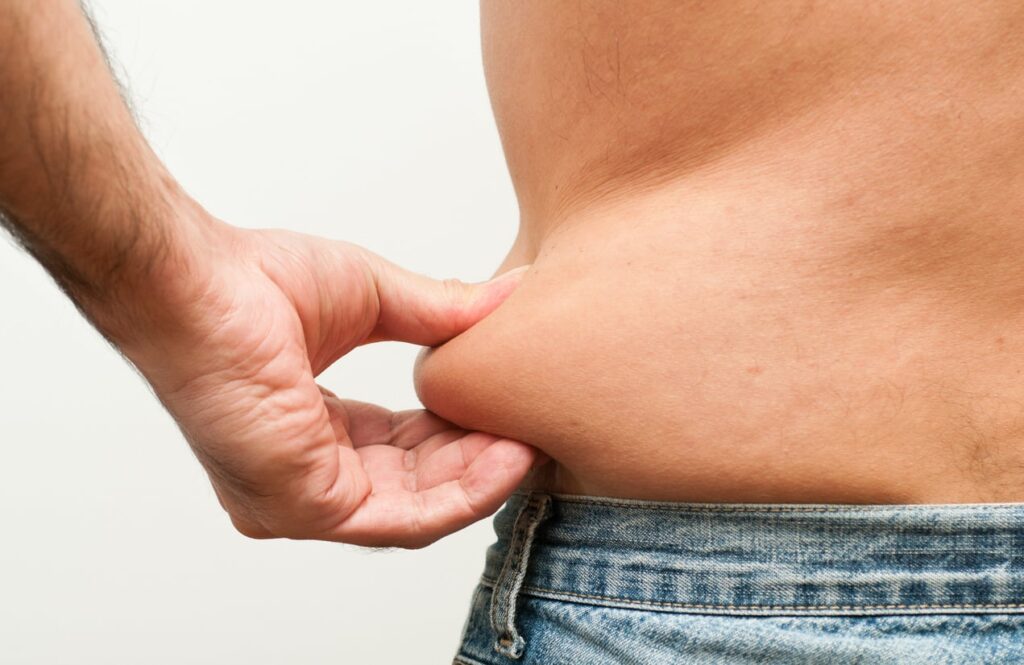
Liposuction can remove stubborn fat with impressive precision, but it does not tighten skin. That single fact shapes a large part of whether someone loves their result or feels underwhelmed by it. In consultation rooms, this is often the moment when expectations become more realistic. Patients usually focus on the fat they can pinch. Surgeons, if they are being careful, are also judging the quality of the skin that has to shrink over the new contour.
That matters everywhere, but it comes up often in conversations about Liposuction Michigan because patients here span a wide range of ages, body types, and seasonal habits. Some have gained and lost weight over several winters. Some have had pregnancies. Some are in excellent shape but carry a persistent pocket at the lower abdomen, flanks, or under the chin. The common thread is that liposuction works best when the skin can redrape smoothly after fat is removed. When elasticity is poor, the same procedure can leave looseness, waviness, or folds that were less obvious before surgery.
A good liposuction result is not just about taking fat away. It is about what remains after the swelling resolves and the tissues settle. Skin elasticity sits at the center of that equation.
The role skin plays after fat is removed
Think of fat as volume under a fitted layer. Once some of that volume is gone, the skin has to contract and adapt to a smaller shape. Young, healthy skin with strong collagen and elastin usually does that better. Skin that has been stretched for years, sun-damaged, thinned by age, or affected by major weight changes often struggles.
This is why two people with similar amounts of abdominal fat can have very different outcomes. One may end up with a smooth, athletic contour. The other may be flatter, yes, but also looser. Technically, both had successful fat removal. Aesthetically, the second patient may feel the result is incomplete because the skin did not cooperate.
That distinction is easy to miss if the consultation focuses only on the areas to suction. In practice, the skin often determines whether liposuction alone makes sense or whether a different plan would serve the patient better. A mini tummy tuck, full abdominoplasty, arm lift, or body lift may sound like a bigger step, but in the right candidate those procedures solve the actual problem rather than chasing it indirectly.
What surgeons mean by “good elasticity”
Patients often hear the phrase without much explanation. Good elasticity does not mean perfect skin. It means the skin has enough recoil to contract after the underlying fat layer is reduced. On exam, surgeons are looking for several things: thickness, tone, the amount of stretch, the presence of striae, and whether the skin snaps back or just drapes.
A twenty-eight-year-old who has a small lower belly pooch and firm skin is a classic strong candidate. A forty-eight-year-old with thin skin, visible stretch marks below the navel, and a hanging fold may still be a candidate for fat removal in some areas, but probably not for liposuction alone on the abdomen. The procedure can improve shape, but it cannot restore the skin’s structure.
This is where honest surgical judgment matters more than salesmanship. The best consultations often include some version of, “I can remove the fat, but I cannot promise the skin will tighten the way you want.” That is not negativity. It is experience speaking.
Why Michigan patients should pay attention to this issue
The biology of skin elasticity is universal, but local patterns can influence what surgeons see. In Michigan, many patients live through long stretches of indoor heating, cold weather, and reduced sun exposure in winter, then become more body-aware in spring and summer. Seasonal weight fluctuation is common. People may be less active for a few months, gain ten to fifteen pounds, then work to lose it again. Over time, repeated expansion and contraction can affect skin quality.
Pregnancy also remains one of the biggest variables in abdominal skin behavior. A patient may return close to her pre-pregnancy weight and still have skin laxity around the lower abdomen or around the navel. Liposuction can address residual fat, but if the skin and muscle support have changed significantly, fat removal alone will not recreate the tighter look many patients have in mind.
Age is another factor, though not in a simplistic way. Some fifty-year-olds have excellent skin tone and heal beautifully. Some thirty-five-year-olds show early laxity because of genetics, smoking history, major weight loss, or cumulative sun exposure. A consultation for Liposuction Michigan should never rely on age alone. The tissue exam tells the real story.
The difference between fullness and looseness
A lot of confusion comes from mixing up fat excess with skin excess. They can coexist, but they are not the same problem.
A full lower abdomen may feel soft and thick. A loose lower abdomen may feel thin, drapey, or crepey. One usually improves with fat reduction. The other often needs skin excision or may improve only modestly. Patients often say, “I just want this gone,” while holding an area that contains both. From a treatment standpoint, it is important to separate the components.
This comes Liposuction Michigan up especially in the arms, inner thighs, lower face, and abdomen. The under-chin area is a good example. A young patient with a small submental fat pad and firm skin can see a sharp, satisfying result after liposuction. An older patient with early jowling, platysmal banding, and lax skin may see less definition because the neck skin cannot shrink enough to create that clean angle.
The abdomen is even less forgiving. If the skin has stretch marks concentrated below the belly button, that often signals structural damage in the very zone many patients want flattened most. Liposuction may thin the fat layer, but the skin’s ability to contract is already compromised. The result can be better than before and still not meet expectations.
Signs that skin elasticity may be limited
During consultation, there are a few clues that deserve careful attention:
- stretch marks, especially clustered in the lower abdomen or upper arms
- skin that feels thin or finely wrinkled when pinched
- a hanging fold or visible drape at rest
- history of major weight loss, especially fifty pounds or more
- nicotine use, which affects circulation and tissue quality
None of these automatically rules out liposuction. They simply raise the odds that contouring will need to be more strategic. Sometimes the right answer is to treat one area and leave another alone. Sometimes it is to combine procedures. Sometimes it is to wait until weight has been stable for several months and reassess.
What a skilled evaluation looks like
A thoughtful surgeon does more than identify where fat sits. They assess the three-dimensional relationship between skin, fat, and support structures underneath. They may have you stand, sit, twist, and tighten your core. They look at the area from the front, side, and oblique angle because laxity can hide in one position and become obvious in another.
They also ask questions that matter more than many patients realize. Has your weight been stable? Have you had children, and if so, how recently? Do you have a history of smoking or vaping? Have you lost a significant amount of weight with medication, bariatric surgery, or intensive dieting? How does your skin behave elsewhere, such as around the knees, upper arms, or jawline?
This is also where discussion of scars enters the room. Many patients initially prefer liposuction because the scars are tiny. That is understandable. But if avoiding a larger scar leads to a result that still feels loose or unfinished, the trade-off may not be worth it. In real surgical planning, there is often a choice between a smaller procedure with compromise and a larger procedure with a more complete correction.
Areas where elasticity matters most
Skin quality influences every area, but some zones are especially dependent on contraction after liposuction.
The abdomen is the most discussed because expectations are high. People want flatness, definition, and smoothness. Liposuction can reduce bulk, especially in the upper abdomen and flanks, but lower abdominal laxity remains a common limiting factor. If there is also muscle separation after pregnancy, abdominal contour can remain rounded even after fat reduction.
The upper arms are another classic example. Many patients dislike the fullness near the triceps area. If the skin is firm, liposuction can work well. If the skin already hangs, removing fat may reveal more looseness. That is when an arm lift becomes part of the conversation.
Inner thighs can be tricky for the same reason. Too much liposuction in thin, lax tissue can create irregularity or a deflated appearance. Conservative contouring often looks better than aggressive removal in this area.
Under the chin tends to do well in younger patients or in older patients with surprisingly good skin tone. In cases with significant laxity, the neck may need direct tightening to deliver the crisp contour people expect from online before-and-after photos.
What technology can and cannot fix
Every few years, a new wave of devices promises fat removal plus skin tightening. Some are useful. None rewrite biology.
Energy-assisted liposuction, whether ultrasound-, laser-, or radiofrequency-based, may offer some degree of soft tissue contraction in selected patients. That can be meaningful at the margins. A patient with mild laxity may benefit. A patient with substantial redundant skin should not expect device-based tightening to replace excisional surgery.
This is one of the places where marketing can outpace reality. A consultation should include a frank discussion of how much improvement is likely, not just what is theoretically possible. Mild to moderate contraction is very different from removing a true skin fold. Patients who understand that distinction tend to feel more satisfied because they are comparing the outcome to the right benchmark.
The timing question after weight loss
People often want liposuction as soon as they reach a milestone weight, especially after a long effort. It can be tempting to move quickly. In many cases, waiting is wiser.
After significant weight loss, skin can continue to settle for months. Weight may still fluctuate. Nutritional status may still be improving. The body you see at three months may not be the body you have at twelve months. Operating too early can mean treating a contour that has not stabilized yet.
Stable weight matters because liposuction is a contouring procedure, not a weight-loss procedure. If a patient loses another twenty or thirty pounds after surgery, the skin may loosen further and alter the result. Most surgeons prefer several months of steady weight before elective body contouring, sometimes longer after major weight reduction.
Recovery and the illusion of early tightness
One reason patients can misread their result is that compression garments and postoperative swelling temporarily change how the tissues look. In the first few weeks, the area can appear firmer or tighter than it ultimately will. Later, as swelling resolves and the tissues soften, underlying skin laxity may become more evident.
That does not mean the surgery failed. It means the final result takes time to declare itself. Most surgeons advise patience for several months, sometimes up to six months or longer depending on the area treated and the amount of liposuction performed. Skin contraction, when it occurs, is gradual.
Patients should also know that massage, lymphatic work, and compression can support recovery but cannot create elasticity that the skin does not have. These tools help optimize healing. They do not replace tissue quality.
A realistic conversation about age, pregnancy, and genetics
There is a tendency to talk about skin elasticity as if it were entirely under personal control. It is not. Lifestyle matters, but so do genetics, age, hormones, and life events.
A fit woman in her forties who has had twins may have lower abdominal skin changes that no amount of exercise can reverse. A man in his fifties may have firm flank skin and be an excellent candidate for liposuction despite his age. Another patient may have a strong family tendency toward lax neck skin early in life. These are not moral failings. They are variations in tissue behavior.
That perspective often helps patients make better choices. Instead of chasing the least invasive option at all costs, they can choose the procedure that matches the anatomy they actually have.
Questions worth asking at a consultation
The right questions can quickly clarify whether a surgeon is taking skin quality seriously or simply agreeing to what you requested.
- How much of my concern is fat, and how much is skin laxity?
- If you remove the fat, what do you expect my skin to do?
- Am I likely to need a lifting procedure to get the result I want?
- Have you seen cases like mine where liposuction alone was disappointing?
- What trade-offs am I making if I avoid an excisional procedure?
The answers should be direct and specific to your body, not vague reassurance. “You’ll be fine” is not enough. A more useful answer sounds like, “Your flanks should retract well, but the lower abdomen is less predictable because of the skin quality below the navel.”
When liposuction alone is often a strong choice
The best candidates for liposuction usually share a few traits. Their weight is relatively stable. They have localized fat deposits rather than generalized obesity. Their skin is reasonably thick and resilient. They want improvement, not a digitally perfect body. They understand that liposuction refines shape more than it changes identity.
A classic example is the patient who exercises consistently, eats well, and still carries fullness at the waist, bra line, outer thighs, or under the chin. These pockets can respond beautifully because the skin framework is intact. The result tends to look natural rather than surgical, which is often the goal.
For the right person seeking Liposuction Michigan, that can be a very satisfying path. The key is that the candidacy is based on anatomy, not hope.
When another procedure may be the better investment
There are times when liposuction is technically possible but strategically weak. A person with a hanging lower abdominal apron after pregnancies or major weight loss often gets more value from a tummy tuck. Someone bothered by loose upper arm skin may ultimately prefer an arm lift despite the scar. The same applies to thighs, breasts, and necks in certain cases.
This is not about doing more surgery for the sake of it. It is about choosing the operation that addresses the true source of the contour problem. Paying for a less invasive treatment that leaves the main complaint unresolved is rarely satisfying.
The most disappointed patients are often not those with the worst tissue quality. They are the ones who were not fully informed about what tissue quality would mean for the final look.
Skin quality before and after surgery
No preoperative routine can transform poor elasticity into excellent elasticity, but some habits can improve the healing environment. Avoiding nicotine is critical. Keeping weight stable helps. Good nutrition matters, especially sufficient protein intake. Managing medical issues such as diabetes supports better recovery. Reasonable sun protection over time helps preserve skin quality, though it is a long-game strategy rather than a quick fix.
After surgery, following garment instructions, limiting premature activity, and keeping follow-up appointments all matter. They will not change your baseline elasticity, but they can reduce swelling problems and support a smoother recovery. The distinction is important. Recovery habits optimize the result you are capable of getting. They do not manufacture a different tissue response.
The value of blunt honesty
The best body contouring plans are often built on uncomfortable honesty. If the skin is unlikely to shrink enough, that should be said plainly. If a scar-producing operation will give the most balanced result, that deserves serious discussion. If only one area is suitable for liposuction and another is not, that nuance matters.
Patients usually appreciate this more than they expect. Clear expectations protect trust. They also prevent a common cycle in cosmetic surgery, where a patient chooses the smallest procedure first, feels under-corrected, and then spends more time and money chasing the result they could have pursued more directly.
Skin elasticity is not a side note in liposuction planning. It is one of the main determinants of outcome. Fat can be removed with skill and precision. The skin still has to tell the final story. For anyone considering Liposuction Michigan, that is the question worth lingering on before booking surgery: not just how much fat can come out, but how well the skin will respond when it does.
Aesthetic Plastic Surgery & Laser Center, Michelle Hardaway M.D.
27920 Orchard Lake Rd, Farmington Hills, MI 48334, United States
+1 248-221-1957
FAQ About Liposuction Michigan
Is 55 too old for liposuction?
Age 55 alone does not determine suitability. A surgeon evaluates overall health, skin quality, healing risks, and realistic goals. A personal consultation is needed to assess candidacy and discuss alternatives.
What happens 10 years after liposuction?
Contour improvements can last, especially with stable weight. Aging, pregnancy, and weight changes can alter the appearance over time. Results vary, and liposuction does not prevent future body changes.
Can lipo get rid of an apron belly?
Liposuction reduces localized fat but does not remove hanging excess skin. An apron belly may require assessment for a skin-removal procedure instead of, or alongside, fat removal. A qualified plastic surgeon can explain appropriate options and their risks.
❧