October 21, 2026
Liposuction Michigan for Body Confidence and Lasting Motivation
By @raymondlxvg458

Body confidence is rarely about one dress size, one number on a scale, or one comment from someone else. In real life, it is more layered than that. It is how you feel getting dressed in the morning. It is whether your workout effort seems to show up in the mirror. It is whether a stubborn area of fullness has become so distracting that it changes how you stand, shop, or socialize. For many adults, that frustration leads them to consider liposuction.
The conversation around Liposuction Michigan often starts with appearance, but it does not end there. What keeps the topic relevant is how closely it intersects with motivation, consistency, and long-term self-care. When done for the right Liposuction Michigan reasons, on the right candidate, with realistic expectations, liposuction can do more than refine a silhouette. It can remove a long-standing point of discouragement and help someone feel more aligned with the effort they already put into their health.
That said, this is not a quick fix, and it is not a substitute for weight loss. Patients who do best are usually the ones who understand that clearly before they ever walk into a consultation. They see the procedure as a contouring tool, not a reset button.
Why certain areas resist even disciplined effort
Most people who explore liposuction are not avoiding healthy habits. In fact, a large share are doing the opposite. They have spent months, sometimes years, exercising regularly and making smarter choices with food. Yet the lower abdomen, flanks, outer thighs, upper arms, or area under the chin may still hold onto fat in a way that seems disproportionate to the rest of the body.
That pattern is common. Fat distribution is strongly influenced by genetics, age, hormones, and body composition history. Someone may lose 20 pounds and still see little change in the exact area that bothers them most. Another person may be lean overall but carry fullness through the waist that softens their body shape no matter how consistent they are in the gym.
This is often where discouragement creeps in. Effort feels disconnected from outcome. And when that disconnect persists, motivation can dip. I have seen people reach a point where they think, “If this one area never changes, why am I working so hard?” That mindset matters, because discouragement can erode healthy routines faster than most people expect.
Liposuction can be useful in this specific scenario. It does not make a person fit, and it does not create discipline. What it can do is remove localized fat deposits that have not responded the way the patient reasonably expected. For the right person, that can restore a sense of momentum.
What liposuction really does, and what it does not
A lot of confusion comes from the way cosmetic procedures are marketed socially rather than medically. Photos are fast. Captions are simplified. Recovery is glossed over. The actual procedure deserves a more grounded explanation.
Liposuction removes fat cells from targeted areas through small incisions using a cannula and suction technique. The exact method can vary by surgeon and body area, but the principle is contour refinement. The goal is not simply “less fat.” The goal is better proportion and smoother shape.
It is not a treatment for obesity. It does not tighten significant loose skin. It does not correct poor muscle tone. And it will not produce a durable result if someone expects surgery to carry the full burden of long-term maintenance.
The best candidates are often close to their stable, sustainable weight and bothered by one or several resistant pockets of fat. Skin quality matters. Elastic skin tends to re-drape better after fat removal, while lax skin may require a different plan, sometimes combining procedures or choosing a more appropriate surgery altogether.
This is one of the most important judgment calls in aesthetic medicine. Patients do not benefit when every body concern is treated with the same tool. If someone mainly has loose skin after major weight loss, liposuction alone may disappoint them. If someone has a lower abdominal bulge caused more by muscle separation than fat, they may need a different conversation. Good surgical advice often includes telling a patient what not to do.
The Michigan factor, and why local context matters
There is a practical side to choosing Liposuction Michigan that people sometimes underestimate. Recovery does not happen in a vacuum. Climate, travel time, support at home, and seasonal clothing all influence the experience.
Michigan patients often plan procedures around work cycles, school schedules, and weather. Winter can be a surprisingly comfortable recovery season for some because compression garments, loose layers, and time indoors feel more manageable. Others prefer spring or early summer so that swelling has more time to settle before vacations or major events. There is no universal best season, but it helps to think beyond the procedure date itself.
Geography matters too. If you live in Metro Detroit, Grand Rapids, Ann Arbor, Lansing, or a smaller surrounding community, the logistics of follow-up care should be straightforward enough that you will actually attend your visits. This sounds obvious, but it is not trivial. Postoperative monitoring, photographs, drain or garment guidance if needed, and questions about swelling are easier when your surgeon is realistically accessible.
Michigan also has a patient population that spans a wide range of lifestyles, from office-based professionals to people on their feet all day, to highly active adults who ski, cycle, run, or train consistently. Recovery advice should fit the life you actually live, not an idealized version of it.
Body confidence is not vanity, and it never was
People often feel compelled to apologize for wanting to look better. They soften the concern or joke about it, as if body dissatisfaction only becomes legitimate when attached to a medical necessity. But confidence and appearance are deeply connected for many people, and there is nothing shallow about admitting that.
The emotional burden of a persistent body concern can be surprisingly specific. Some patients avoid fitted clothing for years. Some stop taking photos from certain angles. Some become fixated on “problem areas” during every workout class or every shopping trip. Even when life is full and functioning, that internal friction can wear a person down.
When liposuction is approached thoughtfully, it can ease that friction. The shift is often subtle but meaningful. Clothes fit in a more predictable way. A patient no longer builds every outfit around one area. They may stop obsessively checking their profile in mirrors. Those are not dramatic changes from the outside, but they can feel substantial from the inside.
The healthiest version of this outcome is not perfectionism. It is relief. It is the feeling that your body looks more like your effort, more like your age, or more like the version of yourself you already recognize.
Lasting motivation usually comes after realistic expectations
There is an interesting psychological pattern that shows up after successful body contouring. People who expected surgery to transform their entire life are often the least satisfied. People who saw it as one piece of a larger picture are usually the most grounded and happiest with the result.
That is because motivation lasts when the result feels integrated, not magical.
If a patient already has decent habits, liposuction can reinforce them. They may feel more motivated to stay active because movement now aligns better with what they see in the mirror. They may be more careful about weight fluctuations because they appreciate the contour improvement. They may feel more comfortable trying activities or clothes they previously avoided.
On the other hand, if someone expects the procedure to solve chronic inconsistency, emotional eating, or a complete lack of exercise, the boost may be short-lived. Surgery can create a window of motivation, but habits determine whether that window becomes a lifestyle.
One patient may use the recovery period to reset sleep, meal prep, and walking routines. Another may treat the result as permission to stop paying attention altogether. The difference is not the procedure. It is the framework they bring into it.
What a strong consultation should cover
A proper consultation is not a sales pitch. It is an evaluation of fit, safety, and likely outcome. You should come away with a clearer picture of whether liposuction is the right move for your anatomy and goals, not simply whether it is available.
A strong surgeon will assess the distribution of fat, skin elasticity, areas of asymmetry, prior surgeries, scarring tendencies, weight stability, and medical history. They should also ask what is bothering you in concrete terms. “I want to feel better” is real, but it is too broad to plan surgery well. “My lower abdomen still protrudes in fitted clothes even though I am at a stable weight” is more actionable.
The consultation should also include a frank conversation about limitations. No body is perfectly symmetrical. Swelling takes time to resolve. Final definition may emerge gradually over weeks and months. Small contour irregularities can happen, especially if skin quality is not ideal or if expectations are extremely sharp-edged.
These are sensible questions to bring to a consultation:
- Am I a good candidate for liposuction specifically, or is another procedure better suited to my anatomy?
- Which areas can be treated safely in one session, and what kind of improvement is realistic?
- How long should I expect swelling, bruising, and downtime to affect work, exercise, and daily life?
- What role will compression garments, follow-up visits, and activity restrictions play in my recovery?
- If I gain or lose weight later, how might that change my result?
Those questions tend to open the right kind of discussion. They move the consultation away from vague promises and toward planning.
The first few weeks are rarely glamorous, and that is normal
One reason some patients get anxious after surgery is that recovery does not look polished in real time. There can be swelling, soreness, temporary firmness, drainage from incision sites, bruising, and unevenness that improves gradually rather than instantly. This stage is not a sign that something has gone wrong. It is part of tissue healing.
Most people are moving around lightly within a day or two, but “back to normal” depends on the extent of treatment, the body area, the physical demands of work, and individual healing patterns. Desk work may resume sooner than physically demanding labor. Gentle walking is usually encouraged early, while strenuous workouts often need to wait until cleared by the surgeon.
Compression garments can feel tedious, but they are often important for swelling control and contour support. The patients who manage this phase best are usually the ones who prepared for it honestly. They arranged help if needed, adjusted their schedules, and understood that temporary awkwardness is built into the process.
A common mistake is judging the result too early. Swelling can mask the final contour, especially in the abdomen and flanks. Some areas soften and settle quickly, while others take longer. Patience is not optional here. It is part of the treatment plan.
A better result often starts before surgery
People focus heavily on the procedure day, but preoperative habits matter more than many realize. Stable weight, good hydration, realistic nutrition, nicotine avoidance, and following medication instructions all influence healing.
If I were giving practical advice to someone preparing for Liposuction Michigan, I would keep it simple:
- Aim to be at a weight you can realistically maintain, not at a crash-diet low.
- Set up your recovery space before surgery, including easy meals, fluids, medications, and loose clothing.
- Plan for reduced activity longer than you think you will need, especially if your job is physical.
- Protect your sleep in the week before and after surgery, because healing is harder when you are exhausted.
- Follow your surgeon’s instructions exactly, even when online advice says otherwise.
None of that is glamorous, but it pays off. Recovery tends to go smoother when the patient treats surgery like a real medical event rather than a cosmetic errand.
The trade-offs that deserve honest discussion
No worthwhile conversation about liposuction should ignore trade-offs. There are scars, though usually small. There is downtime. There is cost. There is the possibility of contour irregularity, prolonged swelling, numbness, or the need for revision in select cases. There is also the reality that not every patient sees the result they imagined, even when surgery is technically sound.
Then there is the trade-off between volume removal and finesse. More is not always better. Overaggressive fat removal can create unnatural transitions, hollowness, or adherence problems. Conservative, balanced contouring often ages better and looks more believable. Skilled surgeons know when to stop.
Another trade-off involves body image itself. Surgery can improve a localized concern, but it does not automatically quiet perfectionism. Patients who are already hypercritical may need to think carefully about what they expect emotionally from the procedure. It is possible to be a good technical candidate and a poor psychological candidate if no realistic result will feel sufficient.
This is where experience matters. The best outcomes tend to happen when surgical judgment and patient maturity meet in the middle.
How liposuction can support long-term health habits
There is a practical reason body contouring sometimes leads to better long-term choices. Visible change can create reinforcement. Humans respond to feedback. When your clothes fit better and your silhouette reflects your effort more clearly, consistency can feel more rewarding.
That reinforcement may show up in small, durable ways. A patient starts walking more because movement feels less self-conscious. Another returns to strength training because gym clothes no longer feel discouraging. Someone who used to hide in oversized layers becomes more willing to shop thoughtfully and maintain a stable size. None of these changes are guaranteed, but they are common enough to be worth mentioning.
What matters is whether the procedure becomes part of a stable pattern. People who keep results longer usually maintain a few core habits: they monitor weight trends before they become major fluctuations, they stay active most weeks, they protect protein intake and overall nutrition, and they do not swing between extreme restriction and total disregard.
The motivation created by surgery is strongest when it is translated quickly into routine. Waiting for motivation to sustain itself rarely works. Using that early momentum to build structure works much better.
Who tends to be happiest with the outcome
After years of watching how patients describe satisfaction, a pattern emerges. The happiest patients are not necessarily the thinnest, the youngest, or the ones treating the fewest areas. They are usually the ones who have clarity.
They understand what bothers them. They have a specific, proportion-based goal rather than a fantasy body standard. They are close to a stable weight. They accept the recovery process. They know surgery can improve shape without rewriting every feature of their body. And they are prepared to maintain the result rather than test its limits.
These patients often say similar things after healing. Liposuction Michigan They mention that clothes fit the way they always wanted. They say they feel more balanced, cleaner in shape, less distracted by one stubborn area. They rarely say, “My whole life changed overnight.” More often they say, “I finally feel like myself again.”
That is a meaningful distinction.
Choosing confidence without chasing perfection
The decision to pursue Liposuction Michigan should feel deliberate, not impulsive. It should come from a place of clarity about what is possible and why you want it. The strongest candidates are not trying to escape their bodies. They are trying to refine something specific that has not responded to reasonable effort.
When approached that way, liposuction can be a powerful tool for body confidence. Not because it creates perfection, but because it removes a persistent obstacle between effort and outcome. For many people, that shift is enough to restore motivation, strengthen healthy routines, and make everyday life feel more comfortable in their own skin.
There is real value in that. Not performative confidence, not filtered confidence, but the quieter kind. The kind that shows up when you stop dressing around a frustration, stop bargaining with the mirror, and start feeling that your reflection finally makes sense.
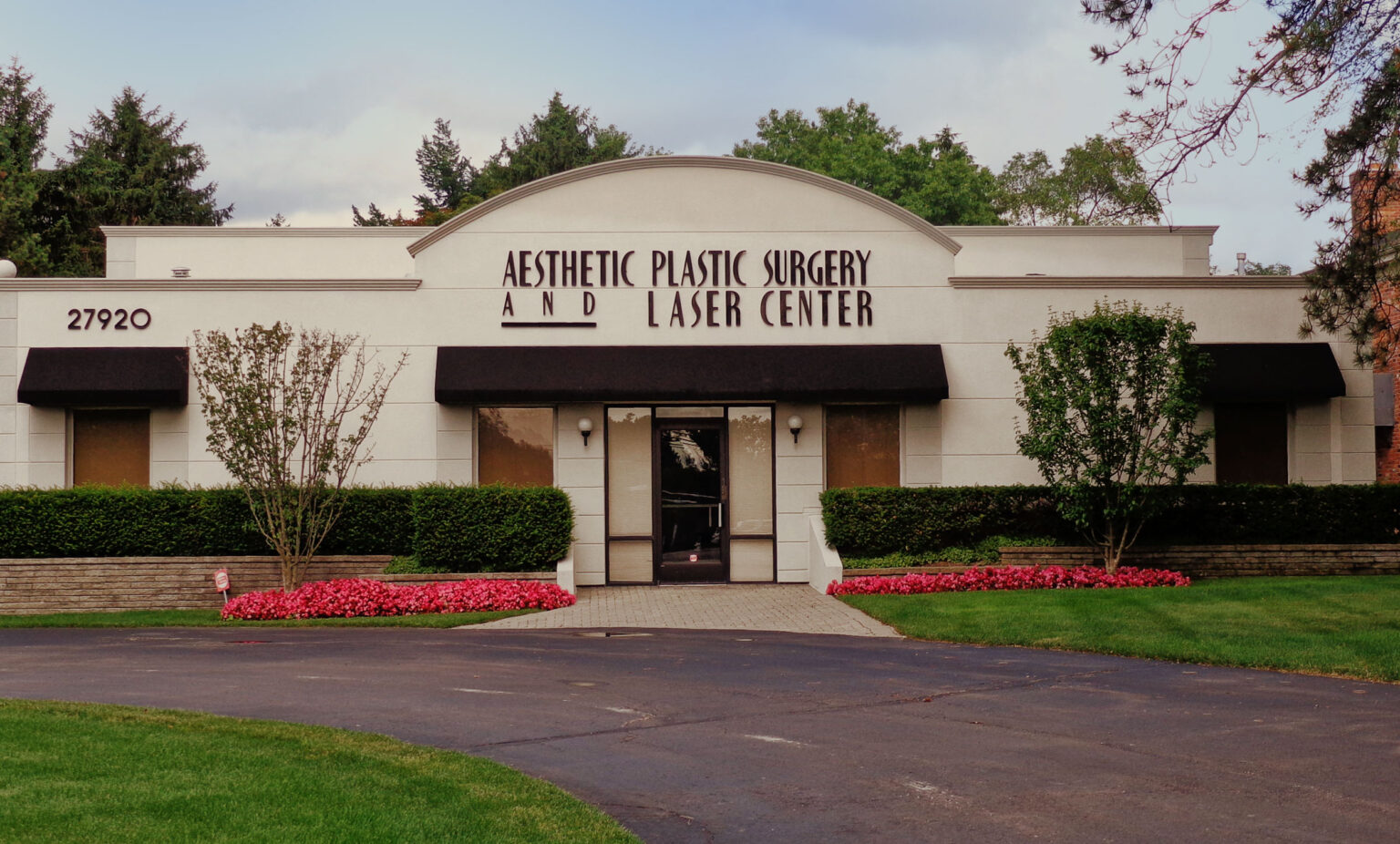
Aesthetic Plastic Surgery & Laser Center, Michelle Hardaway M.D.
27920 Orchard Lake Rd, Farmington Hills, MI 48334, United States
+1 248-221-1957
FAQ About Liposuction Michigan
Is 55 too old for liposuction?
Age 55 alone does not determine suitability. A surgeon evaluates overall health, skin quality, healing risks, and realistic goals. A personal consultation is needed to assess candidacy and discuss alternatives.
What happens 10 years after liposuction?
Contour improvements can last, especially with stable weight. Aging, pregnancy, and weight changes can alter the appearance over time. Results vary, and liposuction does not prevent future body changes.
Can lipo get rid of an apron belly?
Liposuction reduces localized fat but does not remove hanging excess skin. An apron belly may require assessment for a skin-removal procedure instead of, or alongside, fat removal. A qualified plastic surgeon can explain appropriate options and their risks.
❧